How threading actually works
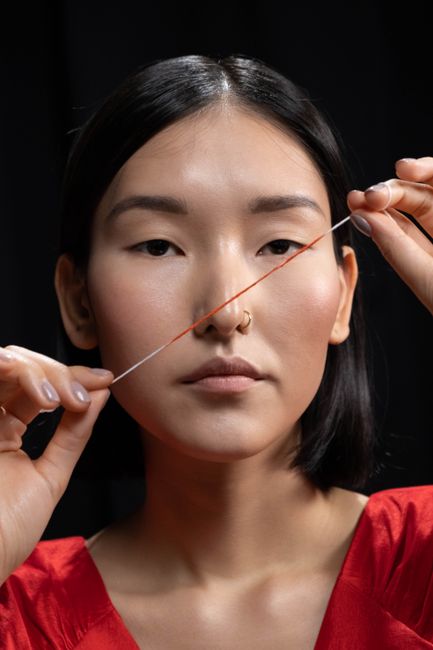
Threading uses a twisted cotton thread to lift stray hairs from the follicle and remove them one by one. On the brows this allows very precise work, cleaning edges and keeping lines sharp without the heat or adhesive involved in waxing. The method is mechanical and local: the thread traps hairs and pulls them out along their natural growth direction.
The final shape depends on hair direction, density and the existing brow line more than tools do. Because threading targets individual hairs, technicians can keep a natural arch while refining edges. Clients who want softer, natural-looking brows or very sharp definition can ask the technician to emphasize different lines during the session.
What to expect during appointment
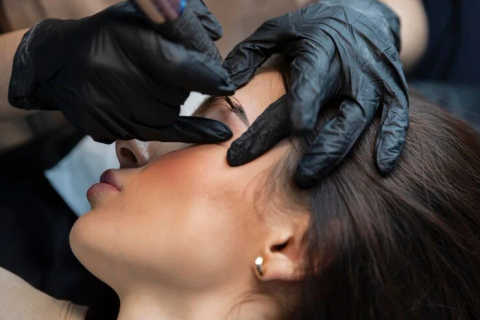
A standard brow threading visit at Perma Glow Shanna is brief and focused — the service is 15 MINUTES and priced at $10. Expect a quick consultation about shape and preferences, then the technician will remove stray hairs and refine the outline. The short duration makes it possible to fit brows into a commute or a lunch break.
Elmhurst’s transit connections and nearby landmarks like Queens Boulevard and the Roosevelt Avenue corridor make after-work and weekend bookings convenient for commuters. Many clients arrive from nearby neighborhoods such as Jackson Heights or Flushing; the tidy, quick finish suits people who want a clean look without a lengthy appointment.
Aftercare and timing choices
Most clients return to normal activities immediately after threading; skin can be slightly pink but typically calms quickly. If you have especially sensitive skin or a recent chemical or sun exposure, mention that at check-in so the technician can adapt pressure and technique. Keeping the brow area clean for a short time after treatment helps avoid irritation.
Scheduling is flexible: threading is useful for maintenance between longer shaping sessions because it removes only stray hairs. Many local clients prefer early-morning, late-evening or weekend slots to match commuting patterns. Seasonal climate in New York — humid summers and cold winters — can influence skin sensitivity, so consider that when timing appointments.